urban design and architectural competition

location

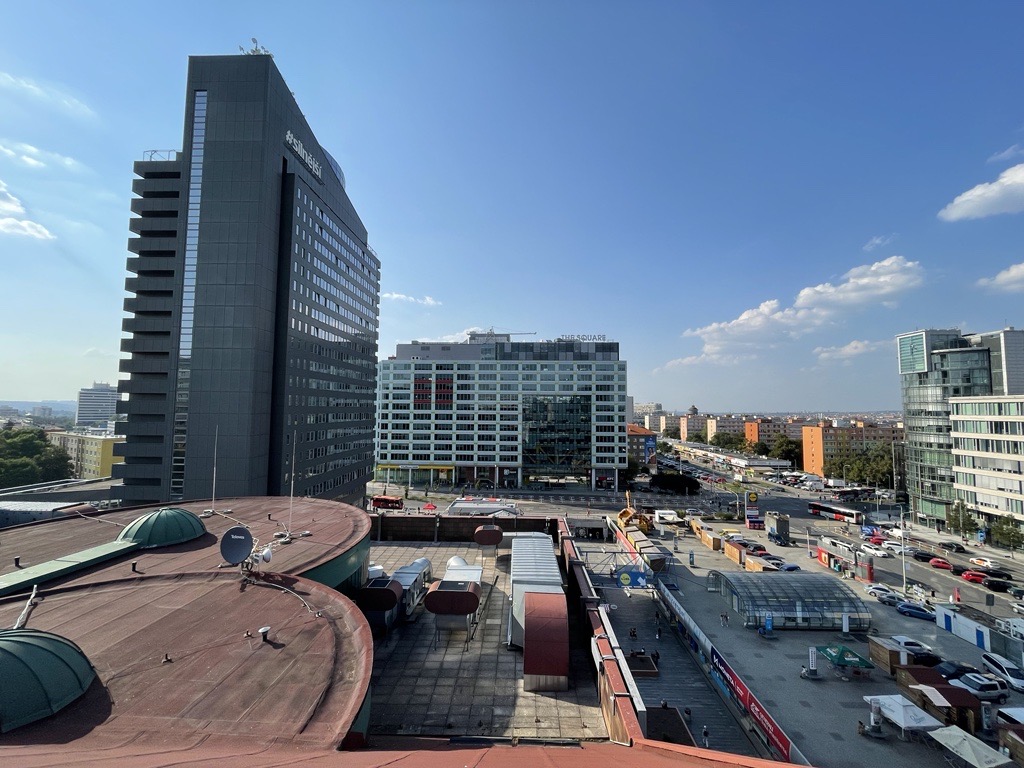
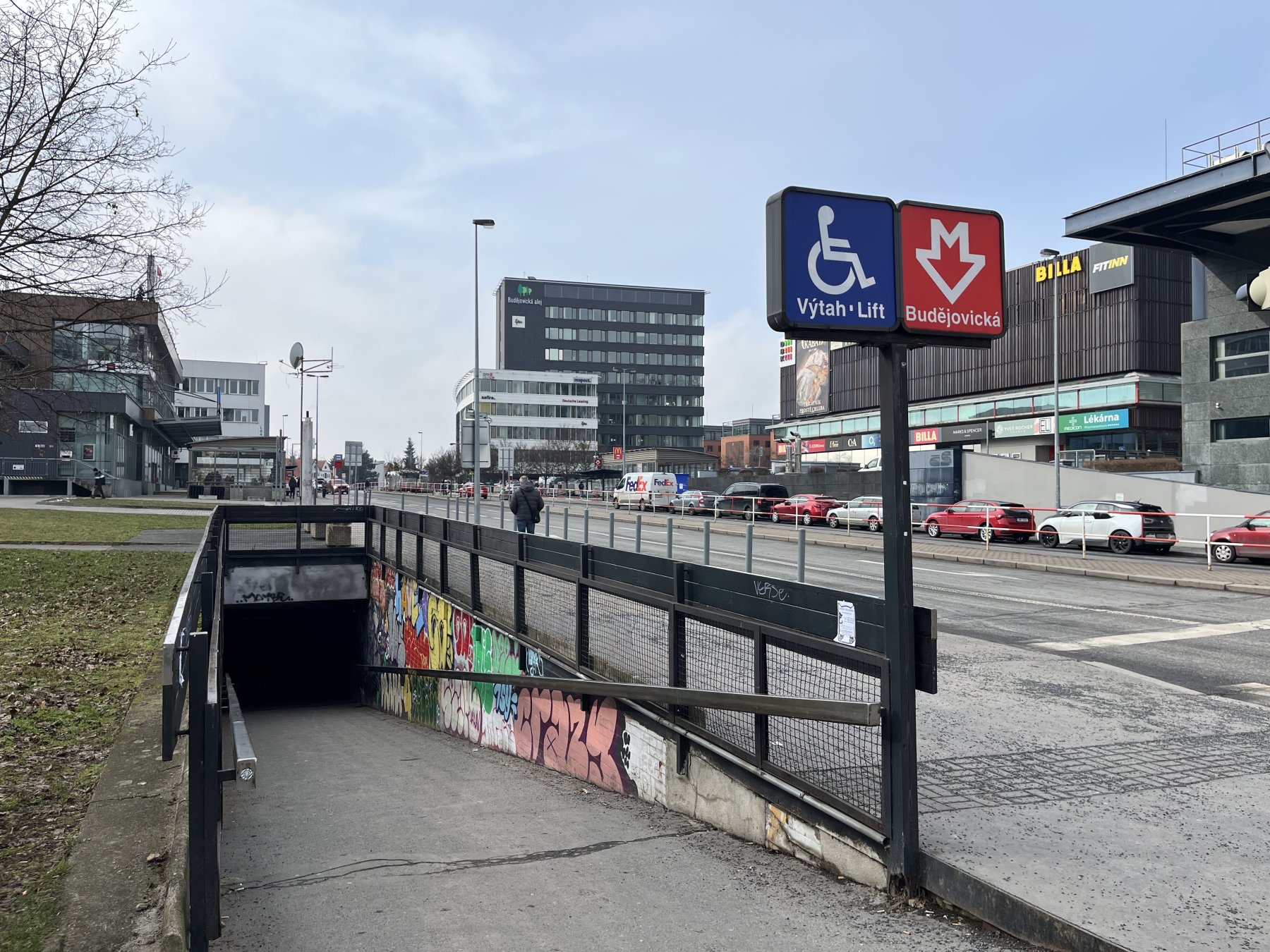
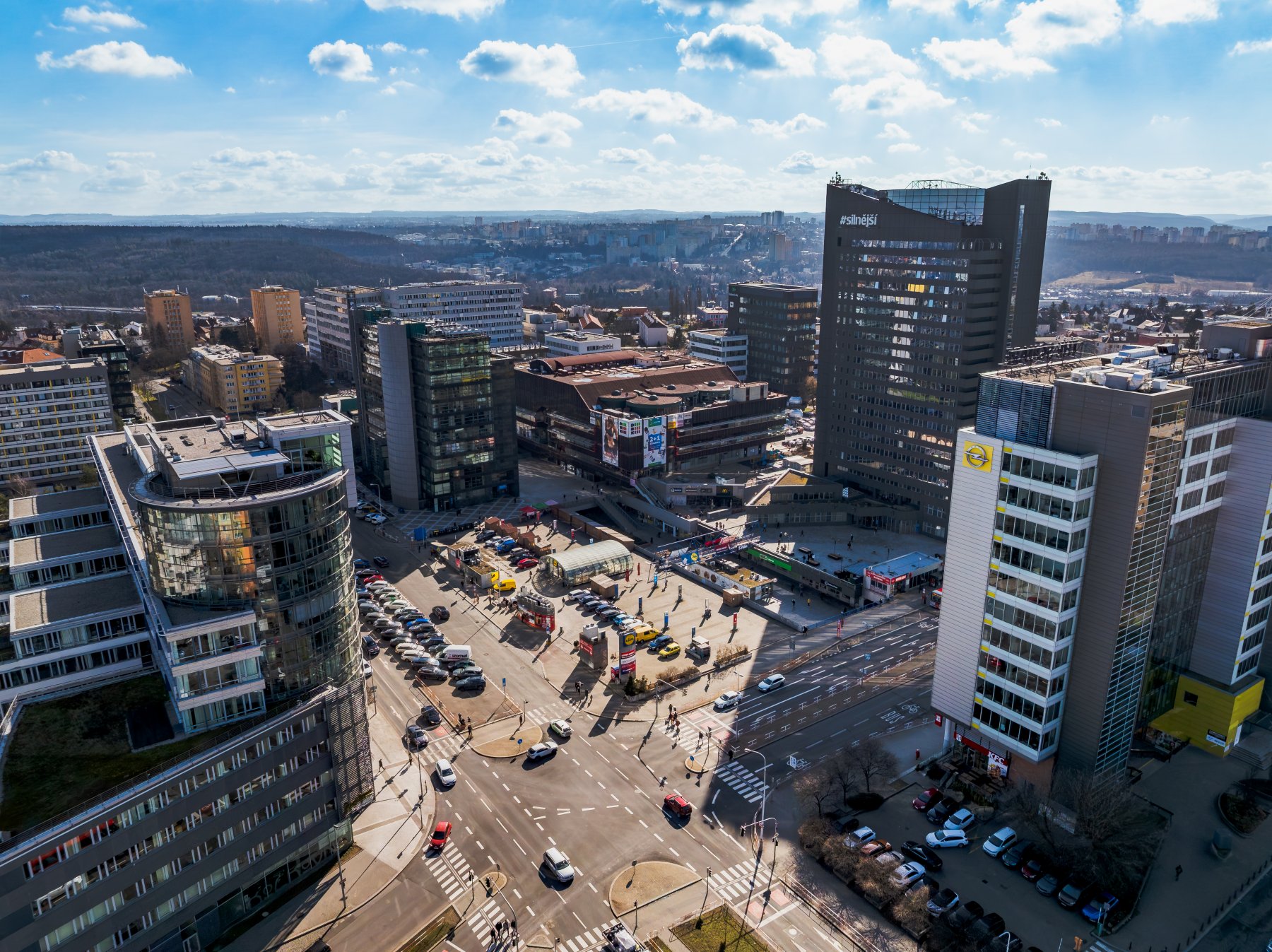
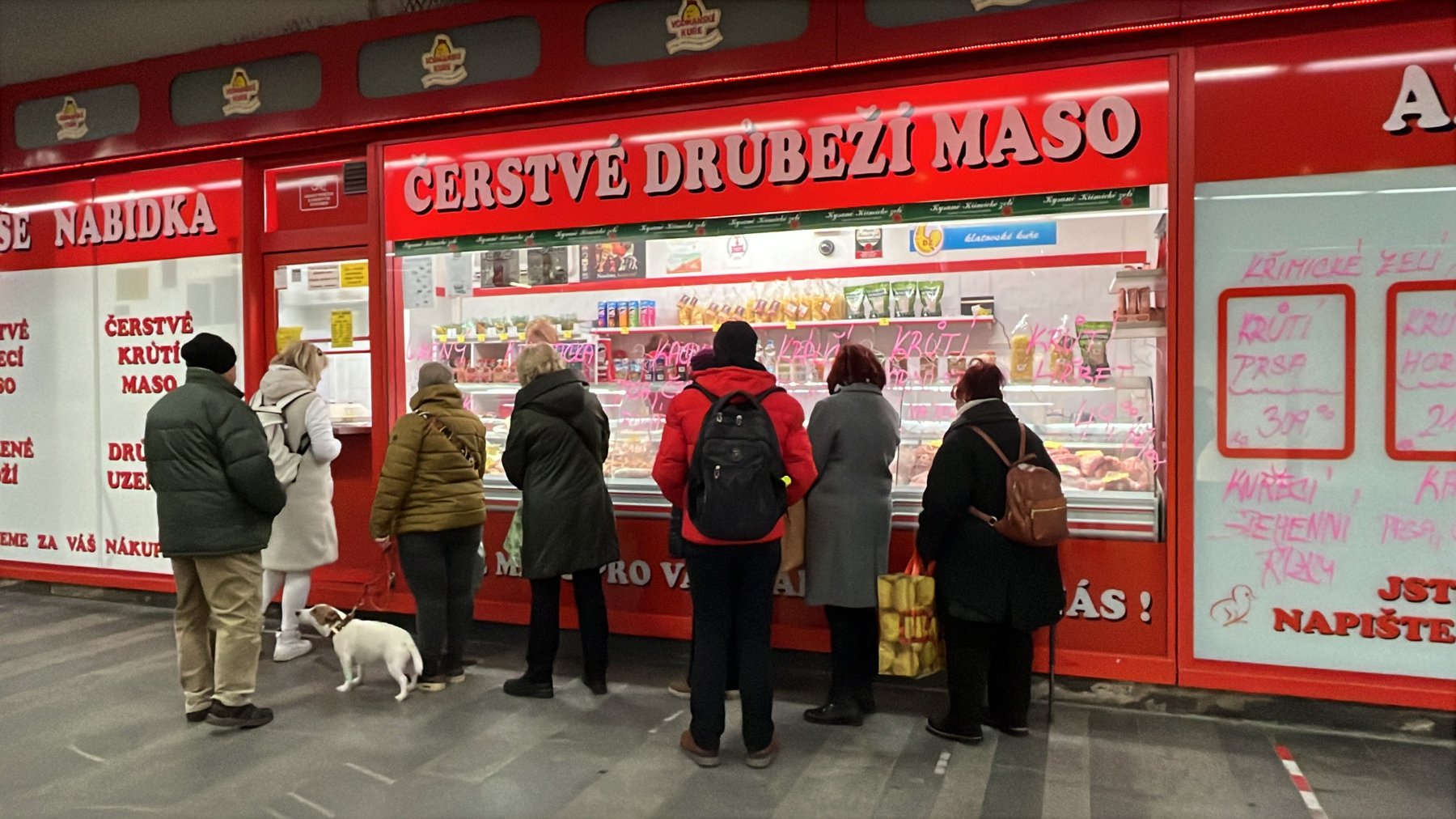
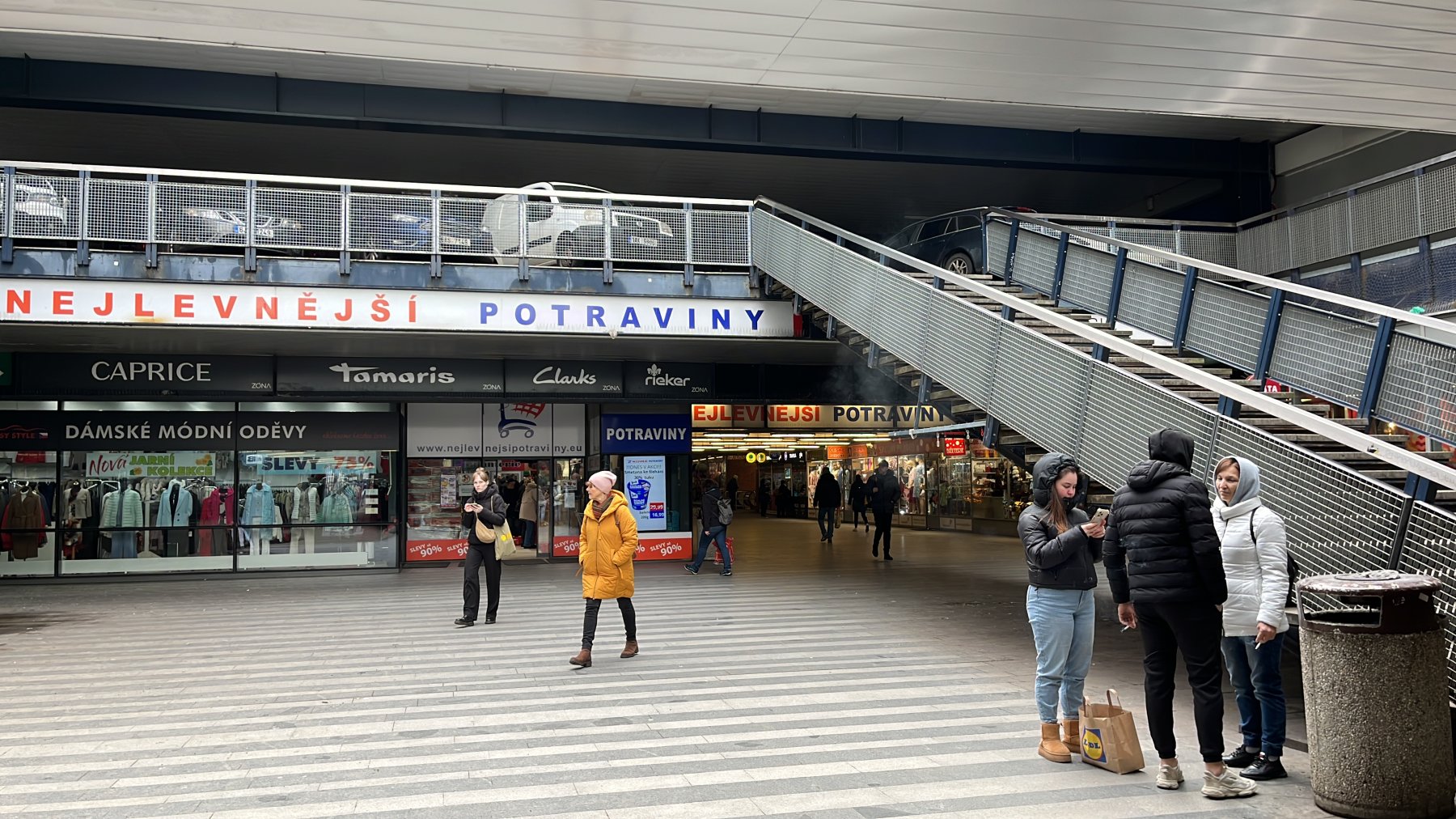
Budějárna is located in the southern part of Prague 4, near Budějovická metro station. Thanks to its location at the junction of Krč, Michle and Pankrác, it is one of the most important hubs in this part of the city, with thousands of people passing through iteveryday,on theirway to work, toservices, healthcarefacilitiesand public transport.

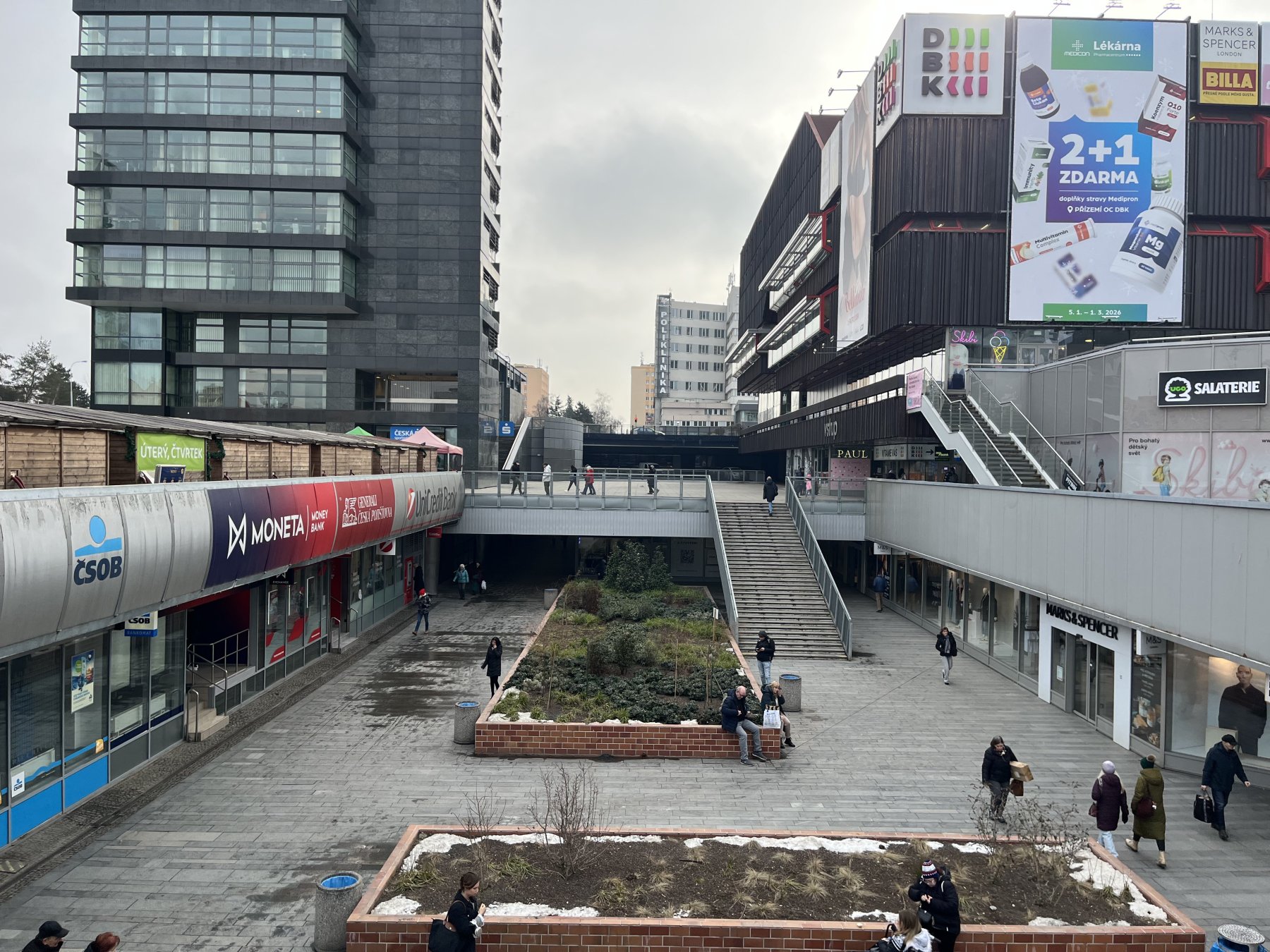
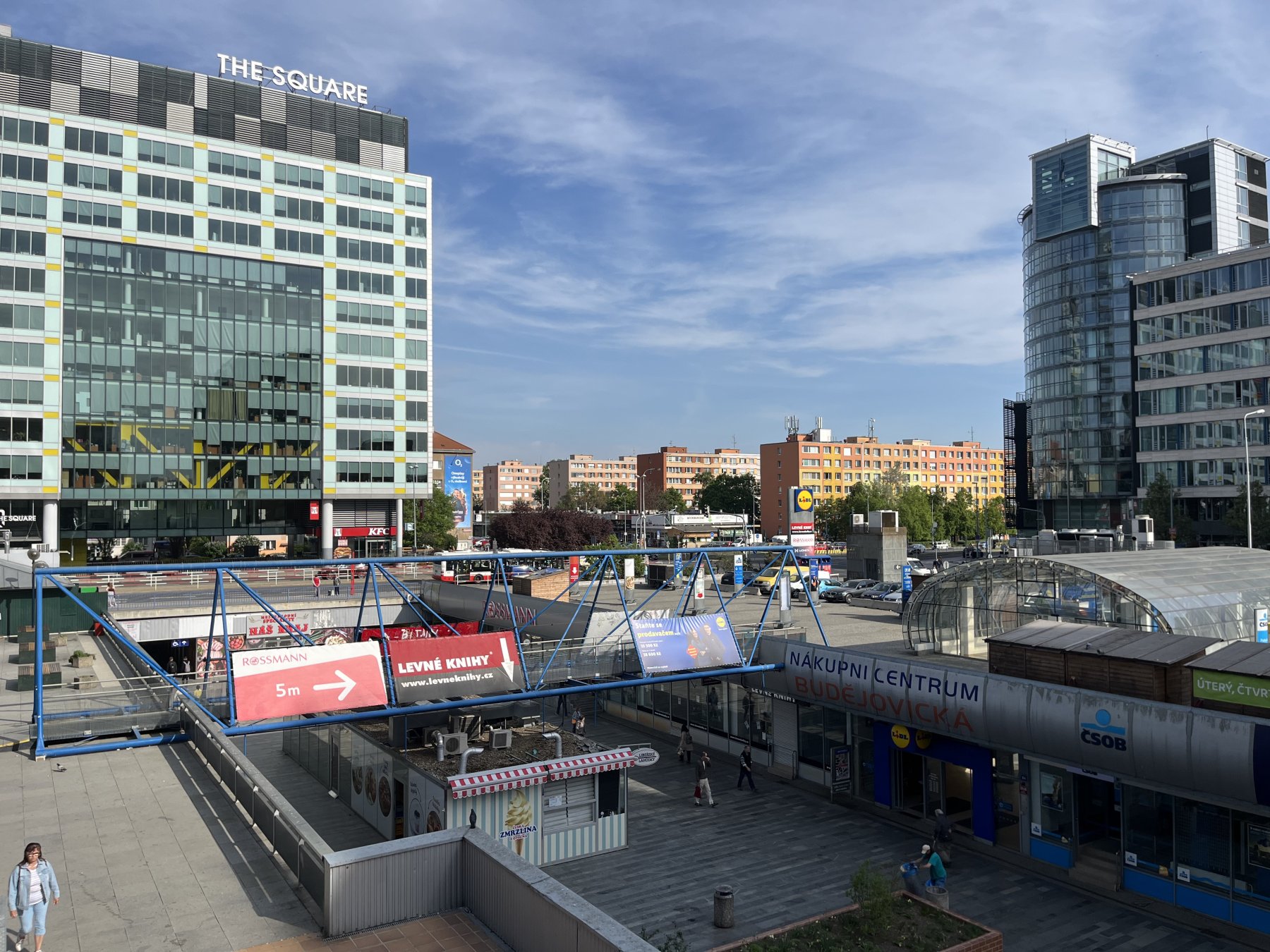
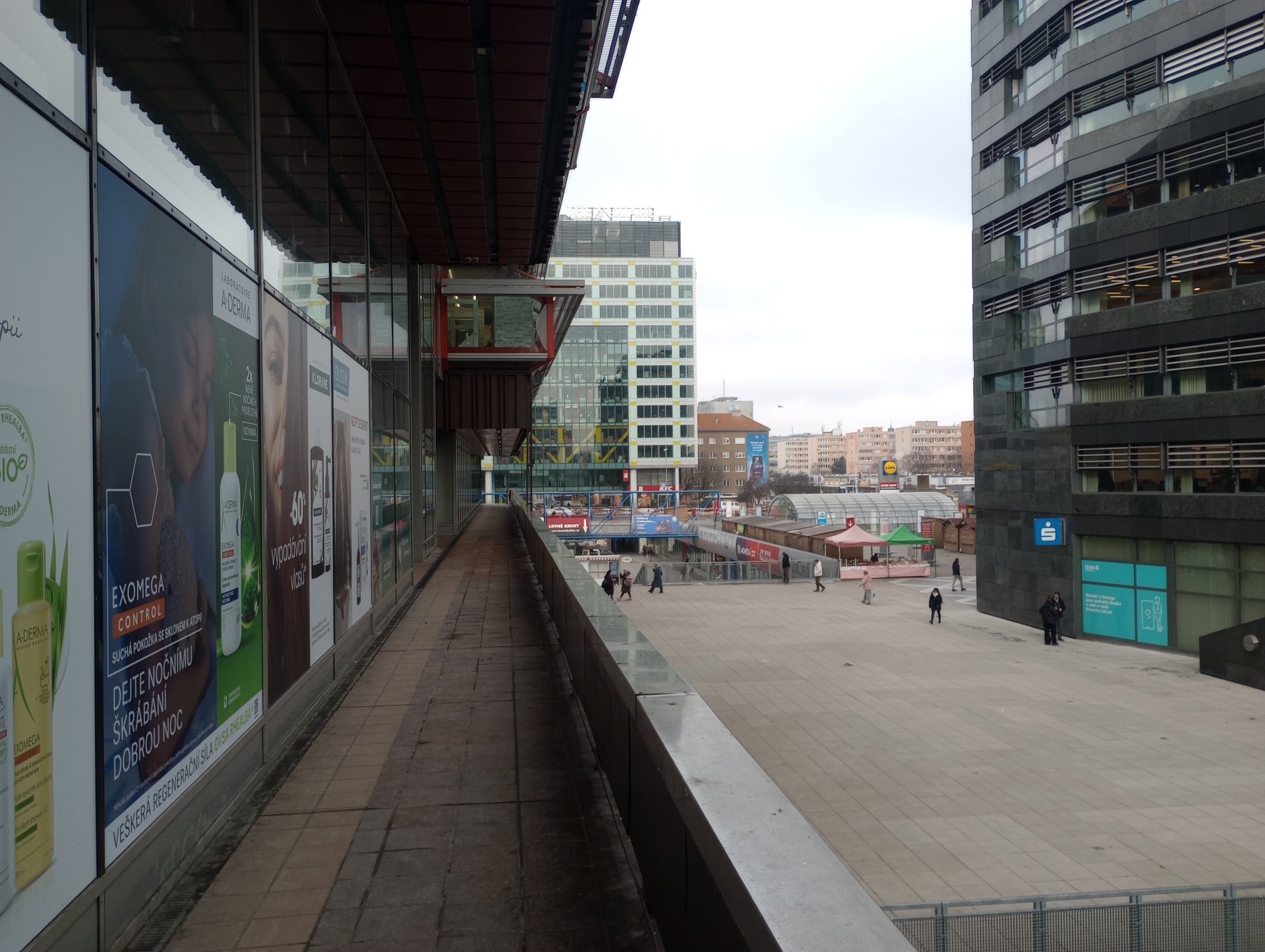
Although it is a major transport hub and a centre for civic amenities, the area’s current state does not reflect its potential. Public spaces are fragmented, movement is hindered by traffic barriers, and there is a lack ofhigh-qualityplacesforleisure. However, thanks to its location, excellent transport links and significance within Prague 4, Budějárna has exceptional potential to become a vibrant and well-functioning urban centre.

Site information

THE COMPETITION SITE AND COMPETITION AREA
The competition site is divided into two parts: the competition site and the competition area. Different briefs and required levels of design detail have been set for each of these parts.

The competition site, covering approximately 40,000 m²,is bounded by Budějovická, Olbrachtova, Poláčkova and Antala Staška streets. It comprises a large block of commercial and office buildings in the vicinity of the DBK shopping centre. The competition area is defined in the adjacent public spaces, which will be partially affected by the development of the competition site.

the history of the site

To plan forthefuture, knowingthe pastiscrucial. This section outlines the key stages that have shaped the character of the area around today’s Budějovická metro station, and helpsunderstanditscurrentcharacter and potential for further development.

Before the 20th Century

Agricultural Landscape and Trade Route

Until the 19th century, the area of today’s Budějovická was part of the agricultural landscape between Michle and Krč, well beyond the borders of Prague. An important trade route to České Budějovice ran along the route of today’s Budějovická Street, giving the street its name. The surrounding area was named after the former inn called Zelená liška (Grüner Fuchs) which stood there.

Agricultural Landscape and Trade Route

Map of the permanent land register from 1842.

The 1920s and 1930s

Incorporation to Prague and Early Development

Following the incorporation of Krč, Nusle and Michle into Greater Prague in 1922, the development of the area began. The Zelená liška housing estate was established, the villa development south of the area in question expanded, and tram lines were built to Pankrác, the Kačerov depot and Ryšánka.

In 1929, the former Zelená liška inn was replaced by the F. Janeček Arms Factory. The facility was later converted to motorcycle production under the Jawa brand and remained in operation until 1963.

Incorporation to Prague and Early Development

Map of Prague from 1938.

Incorporation to Prague and Early Development

F. Janeček Armoury.

The 1950s and 1960s

The Emergence of Housing Estates

The surrounding area underwent rapid development with the construction of some of Prague’s first prefabricated housing estates, including Antala Staška and the extension of the Zelená liška housing estate.

At the time, the competition site itself remained undeveloped and was known as Budějovická Square. Following the Second World War, a temporary fire station was located here.

The Emergence of Housing Estates

Aerial photograph from 1966.

The Emergence of Housing Estates

Fire station on Budějovická.

The 1970s

Metro construction

The construction of Metro Line C, which began in 1968, fundamentally changed the character of the area and laid the foundations for today’s transport hub. The unfilled excavation pit gave rise to a sunken shopping arcade that forms the competition site today.

Metro construction

Metro construction.

The 1980s

Construction of the DBK

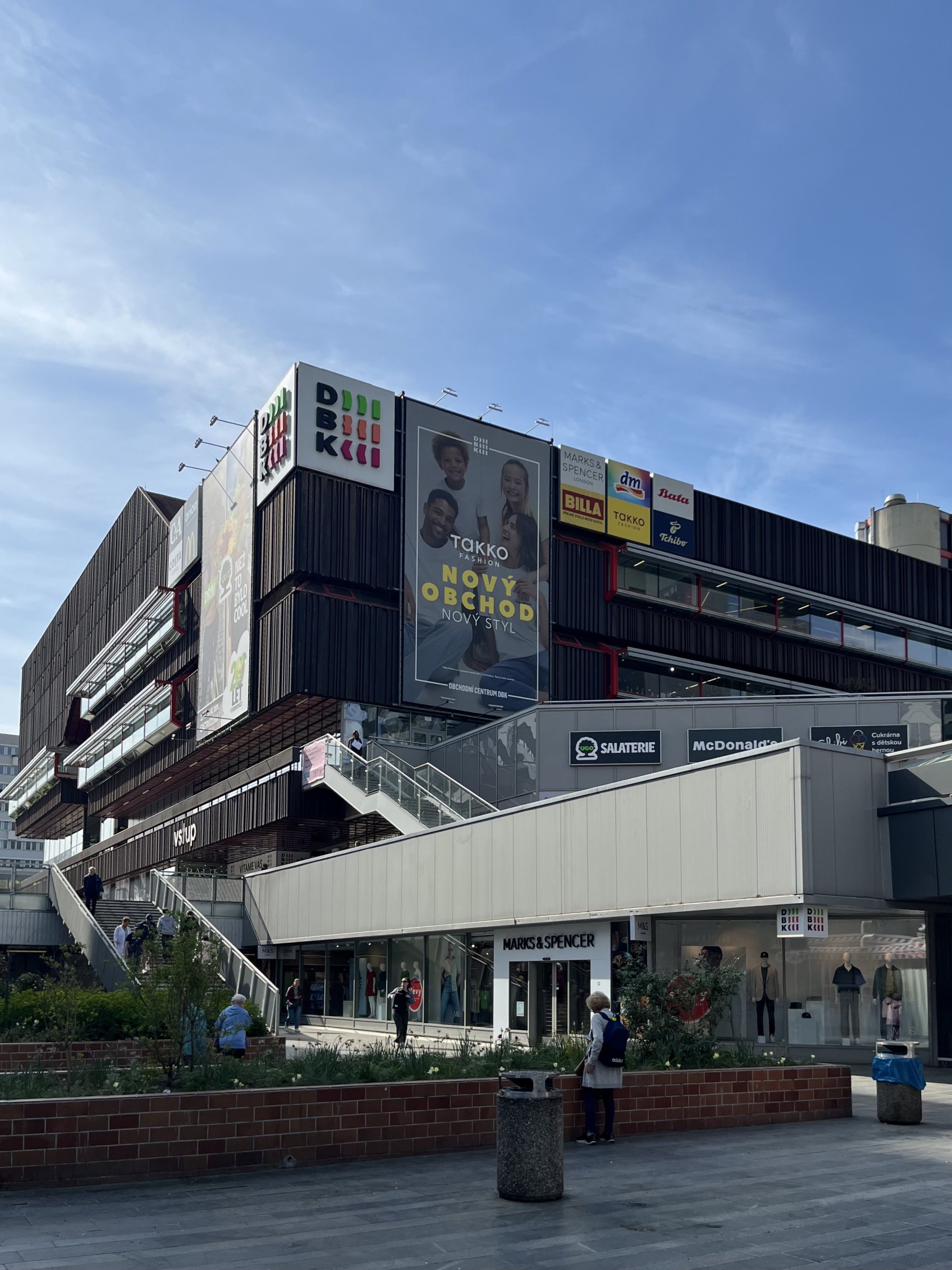
The House of Housing Culture (DBK), opened in 1981, became the natural centre of the area. It is a Brutalist building designed by architect Věra Machoninová. The building was conceived as part of a wider urban complex, which was not realised to its full extent. According to Věra Machoninová’s design, other buildings were also to be constructed in the area (a hotel, spa, office buildings), but were never built.

Construction of the DBK

The DBK department store.

Construction of the DBK

The interior of the DBK in the 1980s.

After 1989

Administrative Centre

The area developed into a major administrative centre. New office buildings were constructed, including the headquarters of Česká spořitelna, and later Budějovická alej and The Square. In the 1990s, the DBK housed the first IKEA in Czechoslovakia, after which the building was transformed into a modern shopping centre.

Administrative Centre

Current state of the area.

2025

Consolidation of property rights

The opportunity to consider the future development of Budějovická in a broader context emerged when Česká spořitelna began preparing the relocation of its headquarters to Smíchov. After nearly thirty years in the area, the decision to offer its buildings for sale created an opportunity for ownership consolidation and new development prospects.

This step also enabled cooperation between DBK, a long-established local stakeholder, and the experienced developer Penta Real Estate. Within their joint venture, DBK contributes detailed knowledge of the area and its historical and operational context, while Penta brings extensive experience in delivering large-scale projects in complex property and technical conditions.

Their shared vision makes it possible to view the area as an integrated whole and to seek solutions that extend beyond individual plots. The ambition is to engage additional landowners and jointly create a natural centre of Prague 4 that reflects the importance of Budějovická as a key transport, administrative, and social hub.